
The power sector is both highly vulnerable to natural hazards and a priority for any country'srecovery and reconstruction. After Hurricane Maria in Puerto Rico in 2017, most of the power gridwas down. One year and tens of billions of dollars later some customers were yet to be reconnected to the main grid. This type of long and widespread power outage has major consequences on people's health and well-being, for instance through lacking access to refrigeration for food and medicine, and on the ability of firms to produce and provide people with goods, services, jobs, and income. In most countries, the...
.png)
This report was written in a collaboration between the Government of St. Lucia, the United Nations Office for Project Services (UNOPS) and the University of Oxford-led Infrastructure Transitions Research Consortium (ITRC). The report examines the possible vision for the island’s future infrastructure aligned with the Sustainable Development Goals and the Paris Agreement on climate change. this report equips Saint Lucia with a robust approach to infrastructure planning that can ensure that social, economic, and environmental needs are met in a range of future scenarios. Through extensive data collection and cross-sectoral analysis, this report estimates Saint Lucia’s future infrastructure needs for...
Online 1-month self-paced course on the vulnerability of users and obtain an understanding of some of the main challenges and effective interventions for safe urban mobility. The course can be accessed via IDBx: Road safety in the Caribbean region: safe urban mobility The course is offered by the Inter-American Development Bank (IDB) through the edX platform.
Presentation made by Dr. Devon Gardner, CARICOM Energy, at the REVS Webinar on 2020-06-16.

RE Technologies, sustainable transport, electric vehicles, Presentation, Xavier Gordon, info@xergy.ca, Xergy Energy, 2020-06-16, General Access
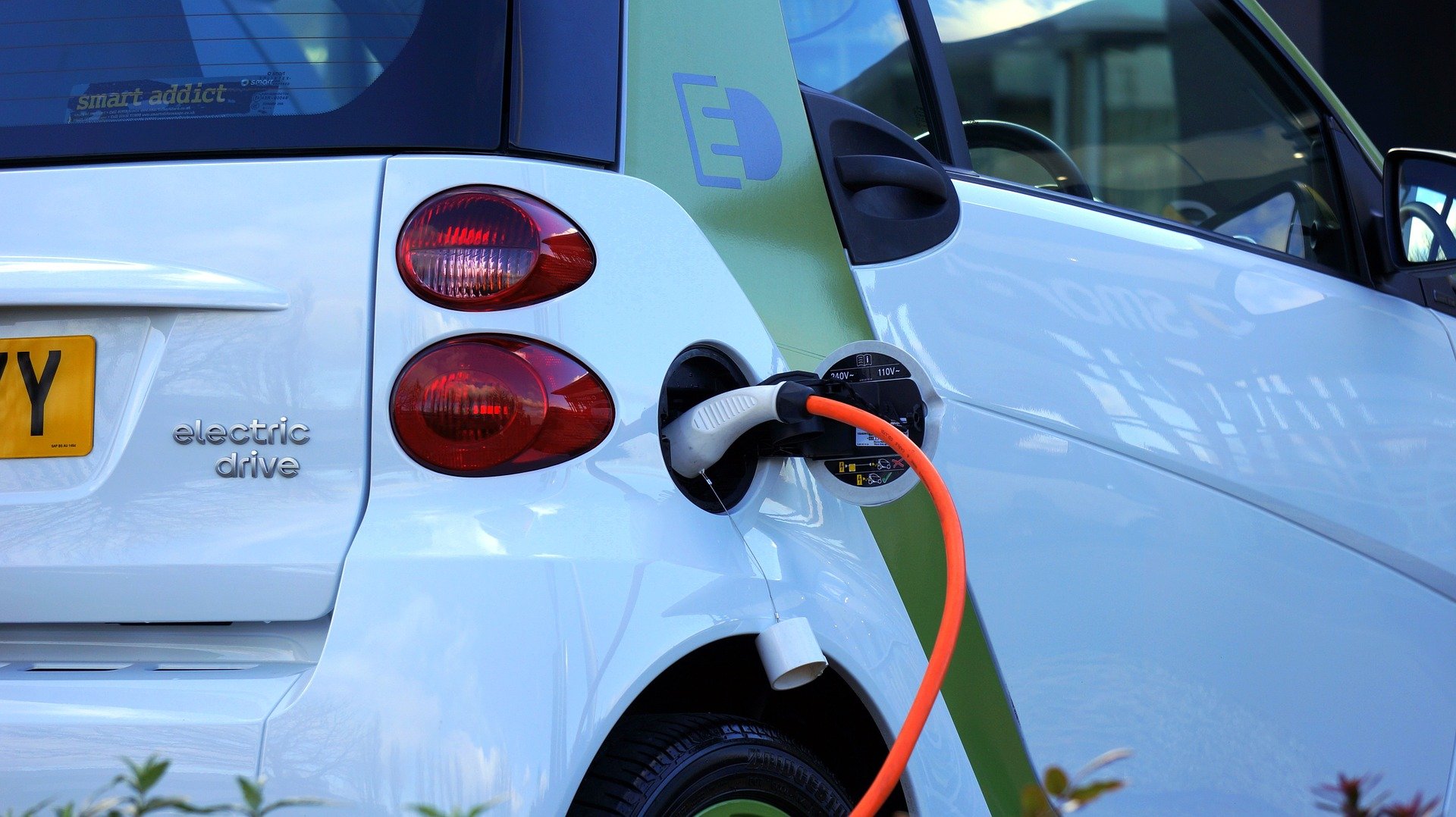
Country Belize, RE Technologies, sustainable transport, hydrogen cars, decentralized energy, Presentation, Michael Strizki, Hydrogen House Project, , 2020-06-16, General Access, PPF
Presentation made by Curtis Boodoo, CARICOM Energy, at the REVS Webinar on 2020-06-16.

The Renewables 2021 Global Status Report is the worldwide reference document for the market, policy, and technology trends in renewable energy for 2020. Crowdsourced from hundreds of contributors from industry, NGOs, governments, and academia across the world, this year’s report raises a fundamental question: what is holding the world back from using the COVID-19 crisis as an opportunity for transformation? REN21’s 2021 report shows that governments need to give a much harder push to renewables in all sectors, and advocates for the establishment of renewable shares as key performance indicators for both private and public decision-making processes, as well as...