
.png)
In the last few years, IFC has prioritized an approach to creating bankable private sector infrastructure opportunities that is called Scaling focusing not on single asset development, but on a holistic approach that creates a pipeline of infrastructure projects. The essence of the Scaling approach is to develop a robust public-private partnership (PPP) model for a single deal and then replicate it. This spreads costs, enhances impact, and encourages programmatic, competitive tendering, with faster delivery and lower prices genuinely creating new markets. In some countries, this approach involved working with governments to design a process. In others, IFC has worked...
.png)
This report was written in a collaboration between the Government of St. Lucia, the United Nations Office for Project Services (UNOPS) and the University of Oxford-led Infrastructure Transitions Research Consortium (ITRC). The report examines the possible vision for the island’s future infrastructure aligned with the Sustainable Development Goals and the Paris Agreement on climate change. this report equips Saint Lucia with a robust approach to infrastructure planning that can ensure that social, economic, and environmental needs are met in a range of future scenarios. Through extensive data collection and cross-sectoral analysis, this report estimates Saint Lucia’s future infrastructure needs for...

A RUN Webinar presented by Dr Legena Henry, a lecturer for Renewable Energy at the University of the West Indies entitled 'A Source of Transportation Fuel for Barbados'.


A presentation by Patrick Ketwaru discussing Guyana's Energy Conundrum- Opportunities and Challenges. The session highlighted the need of energy for development, how SDG number 7 is involved and the affordability, reliability, sustainability and modernisation of energy services.
Online 1-month self-paced course on the vulnerability of users and obtain an understanding of some of the main challenges and effective interventions for safe urban mobility. The course can be accessed via IDBx: Road safety in the Caribbean region: safe urban mobility The course is offered by the Inter-American Development Bank (IDB) through the edX platform.
Presentation made by Dr. Devon Gardner, CARICOM Energy, at the REVS Webinar on 2020-06-16.
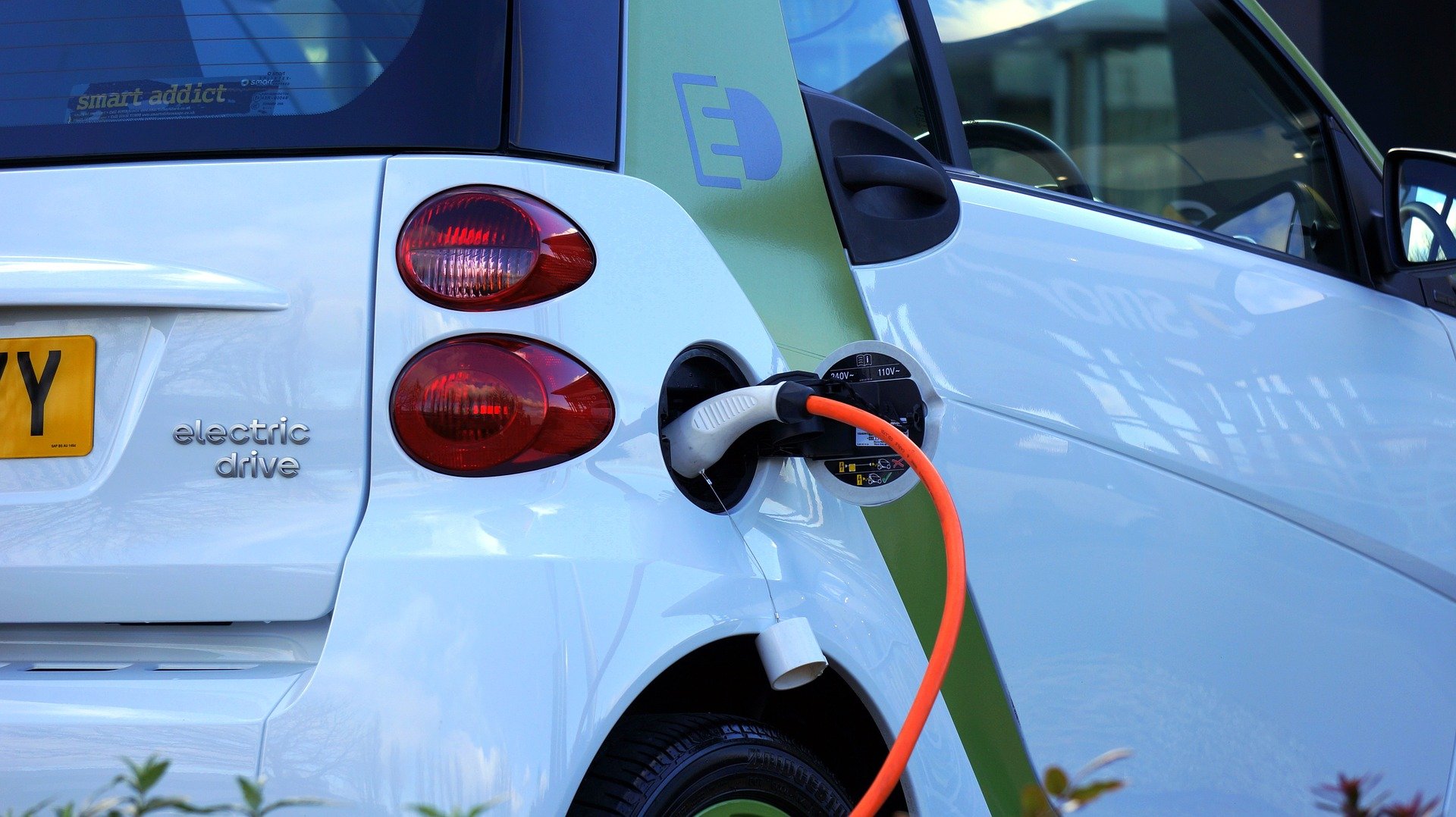
Country Belize, RE Technologies, sustainable transport, hydrogen cars, decentralized energy, Presentation, Michael Strizki, Hydrogen House Project, , 2020-06-16, General Access, PPF
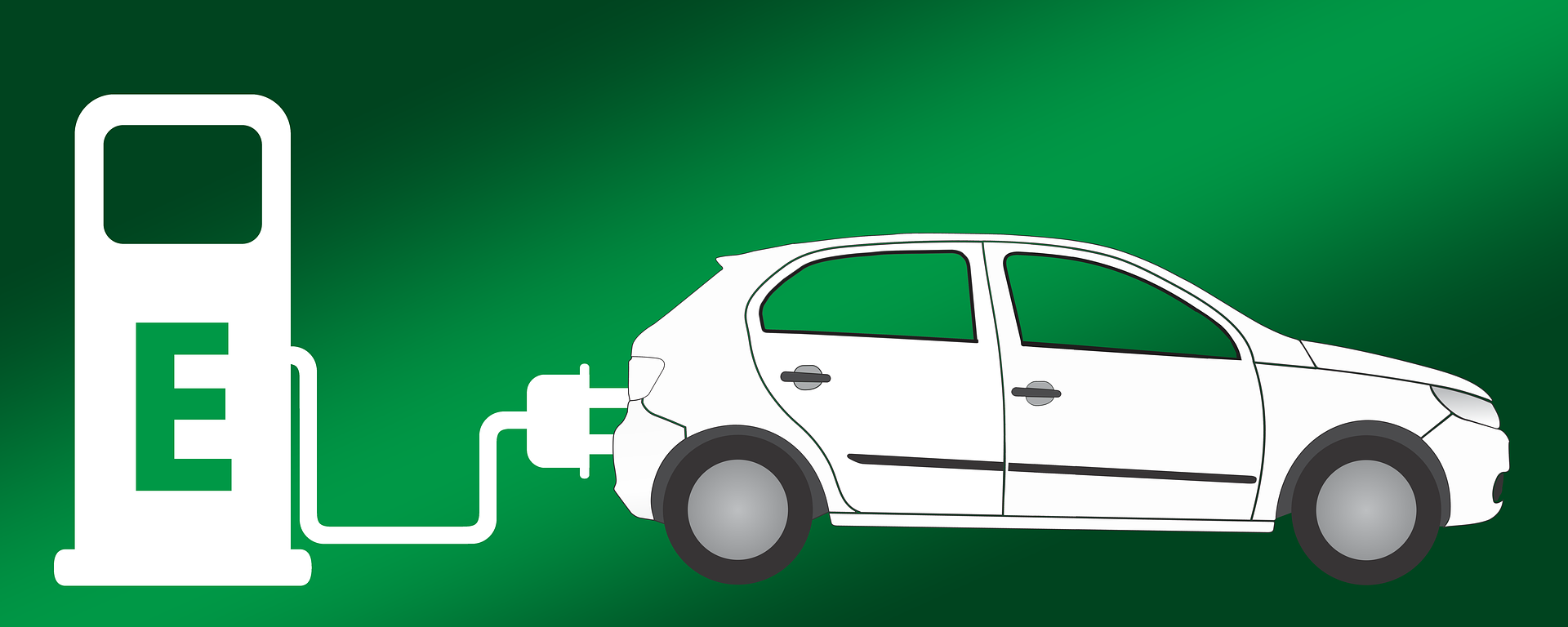
Presentation made by Curtis Boodoo, CARICOM Energy, at the REVS Webinar on 2020-06-16.

The call for urgent action to address climate change and develop more sustainable modes of energy delivery is generally recognized. It is also apparent that batteries, both in the transportation and the power sectors, need to play a predominant role if the global community is to limit global warming to two degrees Celsius. Simply put, nations’ efforts will focus largely on electrifying transportation systems to be supported by power systems that deliver low carbon energy, using a range of renewable technologies. Stationary batteries will play a critical role in not only providing direct energy services, but also in acting as...

