The Caribbean Forum on Energy, Transport, and Resilience was held at the Bay Gardens Hotel, Rodney Bay, Saint Lucia, from June 26 to 27, 2019. It was hosted by the Organization of American States (OAS) and the Government of Saint Lucia, with support from the Organisation of Eastern Caribbean States (OECS) Commission. With the objective of exploring new technologies and combining them with existing regional experiences in sustainable urban development, the event had an overall goal to design a roadmap for the Caribbean smart cities of the future. The forum sought to further public-private exchanges among governments, energy and transportation...

This paper on sustainable bioenergy was drafted collectively by UN-Energy members, which include all of the United Nations(UN) agencies, programmes, and organizations working in the area of energy, reflecting their insights and expertise. it is intended to contribute to international discussions on the strategies and policies needed to ensure economic, sustainable, and equitable development of bioenergy in the years ahead. The paper points to key social, economic, and ecological; sustainability issues raised by the rapid development of bioenergy in both small and large-scale applications. It encompasses the entire bioenergy value chain, from production to use, with the goal of providing...
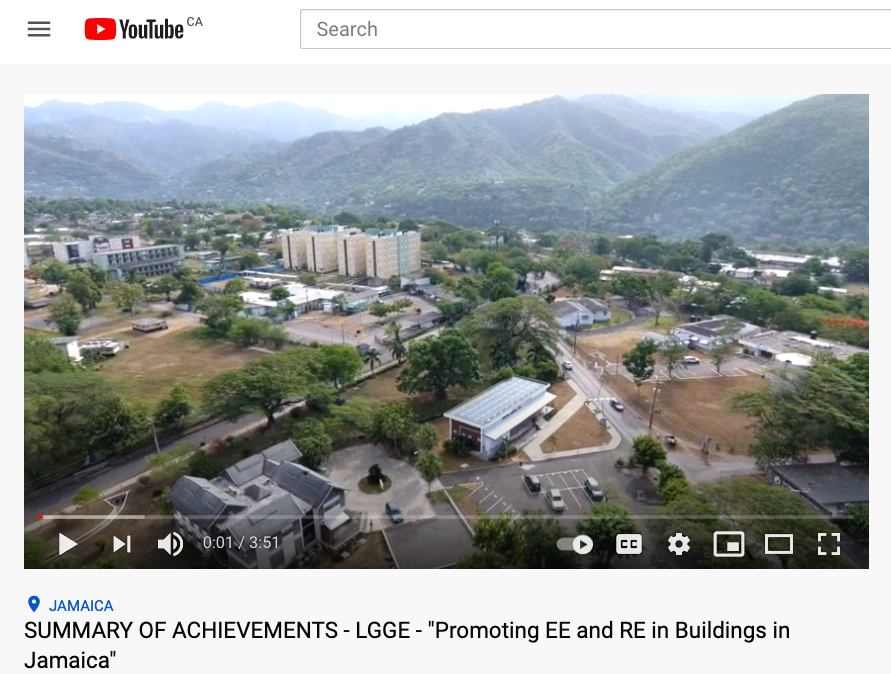

The power sector is both highly vulnerable to natural hazards and a priority for any country'srecovery and reconstruction. After Hurricane Maria in Puerto Rico in 2017, most of the power gridwas down. One year and tens of billions of dollars later some customers were yet to be reconnected to the main grid. This type of long and widespread power outage has major consequences on people's health and well-being, for instance through lacking access to refrigeration for food and medicine, and on the ability of firms to produce and provide people with goods, services, jobs, and income. In most countries, the...
.png)
.png)