
As CCREEE works with Trinidad and Tobago's Ministry of Energy to establish an Integrated Resource and Resilience Plan (IRRP), Ms Anita Hankey, Acting Head of the Renewable Energy Division speaks to the importance of the plan for this CARICOM Member State. CCREEE is also working with other Member States to establish IRRPs.
Energy efficiency is among the cheapest, cleanest, and most widely available of energy resources. Improved energy efficiency provides opportunities to sustainably expand energy services and support development and economic growth, contributing to higher living standards, as well as reducing greenhouse gas emissions. In developing countries, where demand for energy is growing rapidly, the potential for energy efficiency improvements is significant, particularly in the residential sector. The purpose of this guide is to raise awareness of behavioral approaches to achieving development outcomes, demonstrate the role that behavioral sciences can play in promoting energy efficiency, and provide guidance on how to integrate...

The ongoing transformation of the global energy sector is opening possibilities for many developing countries to reach their energy access and service delivery goals in a lower cost, more sustainable manner, while combating climate change. New technologies, and new ways of using existing technologies such as geospatial data systems, smart grids, and smart meters are helping to develop resilient energy infrastructure and operate it more efficiently. These developments, combined with major cost reductions in renewable energy and storage solutions are presenting a strong prospect of a complete re-orientation of the energy sector towards a more decentralized, decarbonized and digitalized path....

Tracking SDG7: The Energy Progress Report provides the international community with a global dashboard to register progress on the targets of Sustainable Development Goal 7 (SDG7): ensuring universal energy access, doubling progress on energy efficiency, substantially increasing the share of renewable energy, and enhance international cooperation to facilitate access to clean and renewable energy by 2030. It assesses the progress made by each country on these targets and provides a snapshot of how far we are from achieving SDG7. The report is a joint effort of the International Energy Agency (IEA), the International Renewable Energy Agency (IRENA), United Nations Statistics...
.png)
The electrification of health centers, schools, and other public institutions has been limited by the slow expansion of national grids, which has staggering consequences for economic growth, poverty reduction, and the accumulation of human capital. Off-grid solar solutions have enormous potential to address the problem, both in Sub-Saharan Africa and across the world, but simply purchasing and installing the units without providing for adequate maintenance is not effective. Installing stand-alone solar units and servicing them through long-term performance-based contracts can give public institutions the electricity service they need at a cost governments can afford.
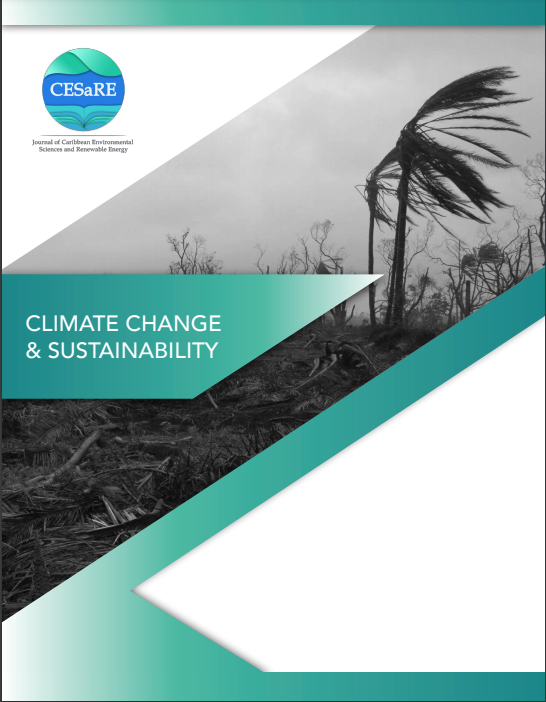

Keywords: Dominica, Climate Change, Disaster Preparedness, Waste to Energy, adaptation policies and mechanisms, adaptation strategies, Adaptation Framework, national policies, Climate Change Policy

