

The 2023 Energy Report Card (ERC) for the Turks and Caicos Islands provides a standardized overview of energy sector performance across 16 Caribbean countries. It highlights key indicators such as: Installed power generation capacity (conventional and renewable) Annual electricity generation from various sources Core electricity sector metrics, including consumption, losses, and tariffs National renewable energy targets Renewable energy resource potential The 2023 Energy Report Card for the Turks and Caicos Islands also includes data and insights on energy policies and regulations, workforce development, training, and capacity-building initiatives. The information presented is primarily sourced from national ministries, agencies, and utilities responsible...

This paper on sustainable bioenergy was drafted collectively by UN-Energy members, which include all of the United Nations(UN) agencies, programmes, and organizations working in the area of energy, reflecting their insights and expertise. it is intended to contribute to international discussions on the strategies and policies needed to ensure economic, sustainable, and equitable development of bioenergy in the years ahead. The paper points to key social, economic, and ecological; sustainability issues raised by the rapid development of bioenergy in both small and large-scale applications. It encompasses the entire bioenergy value chain, from production to use, with the goal of providing...

The 2023 Energy Report Card (ERC) for the Co-operative Republic of Guyana provides a standardized overview of energy sector performance across 16 Caribbean countries. It highlights key indicators such as: Installed power generation capacity (conventional and renewable) Annual electricity generation from various sources Core electricity sector metrics, including consumption, losses, and tariffs National renewable energy targets Renewable energy resource potential The 2023 Energy Report Card for the Co-operative Republic of Guyana also includes data and insights on energy policies and regulations, workforce development, training, and capacity-building initiatives. The information presented is primarily sourced from national ministries, agencies, and utilities responsible...

The 2023 Energy Report Card (ERC) for CARICOM provides a standardized overview of energy sector performance across 16 Caribbean countries. It highlights key indicators such as: Installed power generation capacity (conventional and renewable) Core electricity sector metrics, including consumption National renewable energy targets Renewable energy resource potential The 2023 Energy Report Card for CARICOM also includes data and insights on energy policies and regulations, workforce development, training, and capacity-building initiatives. The information presented is primarily sourced from national ministries, agencies, and utilities responsible for energy and statistics, and is supplemented by desk research and analytical work conducted by the CCREEE....
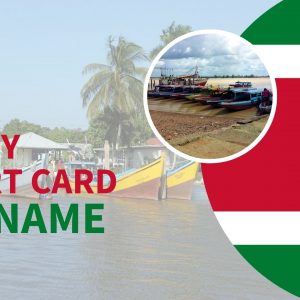
The 2023 Energy Report Card (ERC) for Suriname provides a standardized overview of energy sector performance across 16 Caribbean countries. It highlights key indicators such as: Installed power generation capacity (conventional and renewable) Annual electricity generation from various sources Core electricity sector metrics, including consumption, losses, and tariffs National renewable energy targets Renewable energy resource potential The 2023 Energy Report Card for Suriname also includes data and insights on energy policies and regulations, workforce development, training, and capacity-building initiatives. The information presented is primarily sourced from national ministries, agencies, and utilities responsible for energy and statistics, and is supplemented by...
-300x300.png)
Prepared by: Deutsche Gesellschaft für Internationale Zusammenarbeit (GIZ) GmbH Programme: Technical Assistance Programme for Sustainable Energy in the Caribbean (TAPSEC) REVS Overarching Aim “To deliver intelligent, modern, affordable, clean, efficient, and safe mobility solutions for CARICOM citizens and businesses through the electrification of surface transportation within the Community.” - CARICOM and CCREEE Click to download: CARICO~1

The 2023 Energy Report Card (ERC) for the Commonwealth of Dominica provides a standardized overview of energy sector performance across 16 Caribbean countries. It highlights key indicators such as: Installed power generation capacity (conventional and renewable) Annual electricity generation from various sources Core electricity sector metrics, including consumption, losses, and tariffs National renewable energy targets Renewable energy resource potential The 2023 Energy Report Card for the Commonwealth of Dominica also includes data and insights on energy policies and regulations, workforce development, training, and capacity-building initiatives. The information presented is primarily sourced from national ministries, agencies, and utilities responsible for energy...
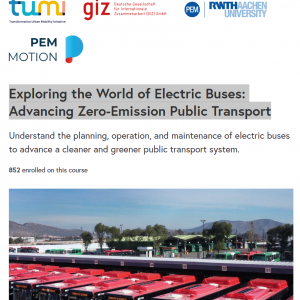
Online self-paced 6-week introductory course on electric mobility and the pathway to the integration of e-mobility in sustainable urban transport systems. The Course uses interviews, articles, videos and readings to prepare you for the future of public transport.. The course can be accessed via Exploring the World of Electric Buses: Advancing Zero-Emission Public Transport The course is offered by TUMI (Transformative Urban Mobility Initiative), who is funded by the German Federal Ministry for Economic Cooperation and Development (BMZ) and implemented by Deutsche Gesellschaft für Internationale Zusammenarbeit (GIZ) GmbH in collaboration with all TUMI partners.

The 2023 Energy Report Card (ERC) for St. Vincent and the Grenadines provides a standardized overview of energy sector performance across 16 Caribbean countries. It highlights key indicators such as: Installed power generation capacity (conventional and renewable) Annual electricity generation from various sources Core electricity sector metrics, including consumption, losses, and tariffs National renewable energy targets Renewable energy resource potential The 2023 Energy Report Card for St. Vincent and the Grenadines also includes data and insights on energy policies and regulations, workforce development, training, and capacity-building initiatives. The information presented is primarily sourced from national ministries, agencies, and utilities responsible...
This is the Energy Report Card (ERC) for 2022 for CARICOM. The ERC provides an overview of the energy sector performance, highlighting the following areas: • Installed Conventional and Renewable Power Generation Capacity • Annual Electricity Generation, from Conventional and Renewable Plants • Other Electricity Sector Metrics such as losses, consumption and tariffs • Renewable Energy Targets and Resource Potential The ERC also includes sectoral data and information on policies and regulations; training and capacity building; and related areas subject to the availability of data. Click here to view: 2022 Energy Report Card - CARICOM Key Words: ERC, Energy Report...

