

Stakeholders in the energy and transportation sectors were charged not to wait until a comprehensive plan and perfect conditions are available in order to get started during today’s online discussion, which focused on innovation opportunities and the Caribbean reality. The discussion, which was hosted by the Caribbean Centre for Renewable Energy and Energy Efficiency (CCREEE) and the Energy Unit of the CARICOM Secretariat, saw more than two hundred stakeholders gathered to hear from regional and global experts in the field. Stakeholders also had the opportunity to vent their opinions and have their queries addressed.
(1).png)
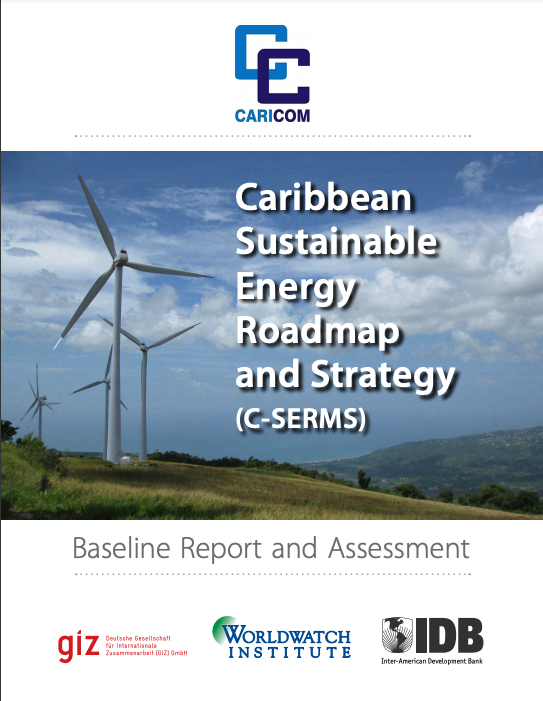
Key Words: CARICOM, renewable energy, solar PV, wind, energy efficiency, greenhouse gas emissions


This paper reviews recent developments in biofuel markets and their economic, social and environmental impacts. Several countries have introduced mandates and targets for biofuel expansion. Production, international trade and investment have increased sharply in the past few years. However, several existing studies have blamed biofuels as one of the key factors behind the 2007-2008 global food crisis, although the magnitudes of impacts in these studies vary widely depending on the underlying assumptions and structure of the models. Existing studies also have huge disparities in the magnitude of long-term impacts of biofuels on food prices and supply; studies that model only...

The CESaRE Webinar Series entitled Big Data and the Caribbean's Energy Transition featuring Dr. Legena Henry, Susanna Shaw and Yekini Wallen-Bryan. The webinar looks into how Big Data can transform the region's energy transition.