


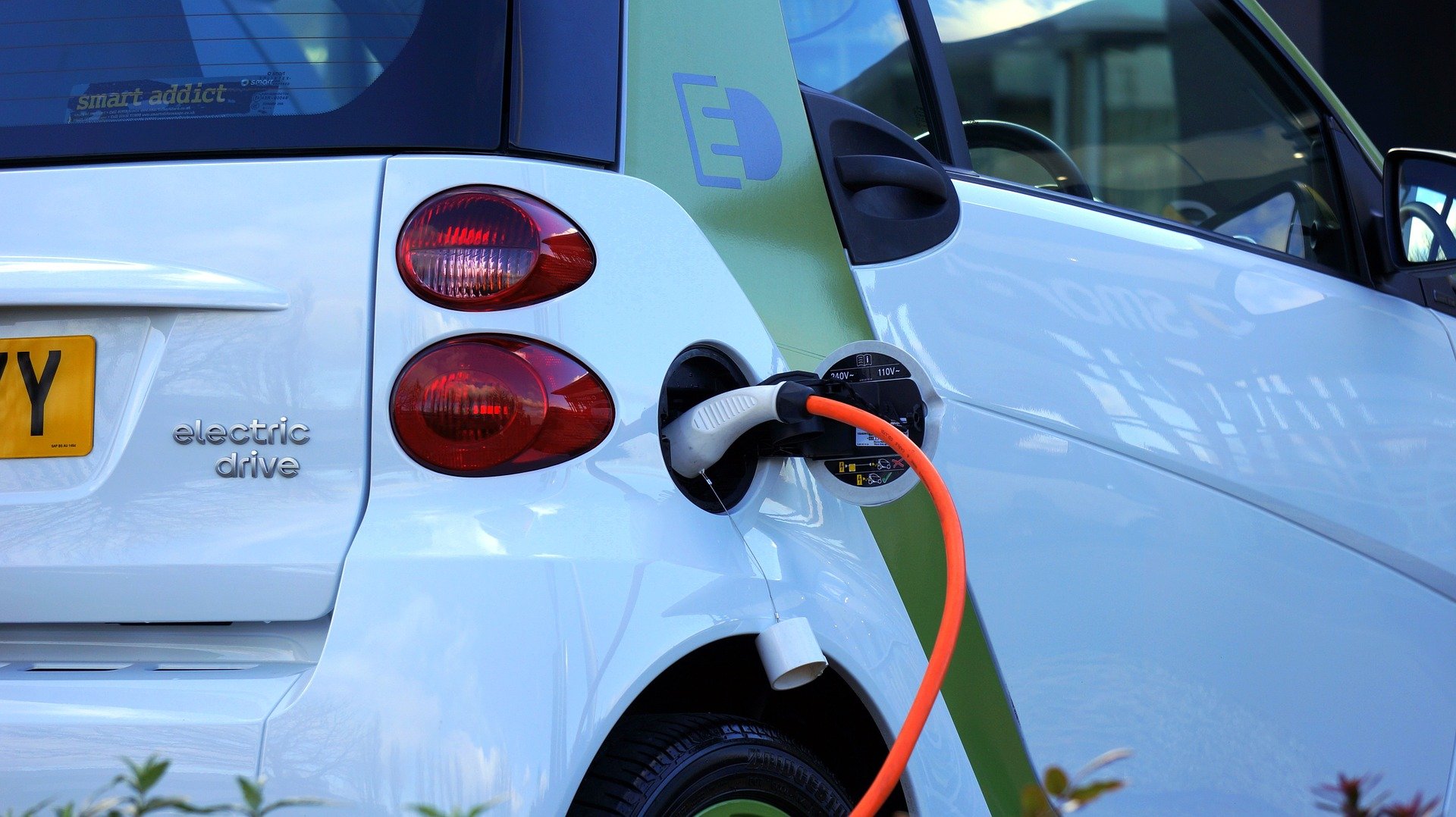
Country Belize, RE Technologies, sustainable transport, hydrogen cars, decentralized energy, Presentation, Michael Strizki, Hydrogen House Project, , 2020-06-16, General Access, PPF


Presentation made by Curtis Boodoo, CARICOM Energy, at the REVS Webinar on 2020-06-16.


The call for urgent action to address climate change and develop more sustainable modes of energy delivery is generally recognized. It is also apparent that batteries, both in the transportation and the power sectors, need to play a predominant role if the global community is to limit global warming to two degrees Celsius. Simply put, nations’ efforts will focus largely on electrifying transportation systems to be supported by power systems that deliver low carbon energy, using a range of renewable technologies. Stationary batteries will play a critical role in not only providing direct energy services, but also in acting as...

The Renewables 2021 Global Status Report is the worldwide reference document for the market, policy, and technology trends in renewable energy for 2020. Crowdsourced from hundreds of contributors from industry, NGOs, governments, and academia across the world, this year’s report raises a fundamental question: what is holding the world back from using the COVID-19 crisis as an opportunity for transformation? REN21’s 2021 report shows that governments need to give a much harder push to renewables in all sectors, and advocates for the establishment of renewable shares as key performance indicators for both private and public decision-making processes, as well as...

Renewables 2021 is the IEA’s primary analysis on the sector, based on current policies and market developments. It forecasts the deployment of renewable energy technologies in electricity, transport and heat to 2026 while also exploring key challenges to the industry and identifying barriers to faster growth. Renewables are the backbone of any energy transition to achieve net zero. As the world increasingly shifts away from carbon emitting fossil fuels, understanding the current role renewables play in the decarbonisation of multiple sectors is key to ensuring a smooth pathway to net zero. While renewables continued to be deployed at a strong...

