Under the theme “A RE-silient Community: Energy at the Centre”, CARICOM Energy Month got underway on 2 November with a virtual regional launch in the form of a panel discussion. The 2020 launch was held by the Caribbean Community (CARICOM) Secretariat’s Energy Unit in collaboration with the Caribbean Centre for Renewable Energy and Energy Efficiency (CCREEE), the Caribbean Electric Utility Services Corporation (CARILEC), along with the European Union (EU) and the German Federal Ministry of Economic Development and Cooperation (BMZ) funded Technical Assistance Programme for Sustainable Energy in the Caribbean (TAPSEC). Tobagonian media personality, Ms Davia Chambers hosted the event....

.png)
Floating solar photovoltaic (FPV) technology is considered commercially viable, given the number of largescale projects that have been implemented. Challenges to its deployment remain, however, including the lack of a robust track record; uncertainty about costs; uncertainty about the environmental impact; and the technical complexity of designing, building, and operating on and in water (especially electrical safety, anchoring and mooring issues, and operation and maintenance). This handbook provides developers, utilities, contractors, investors, regulators, and decision makers with practical guidelines on FPV projects. Most of the handbook focuses on technical aspects relating to developing and operating FPV projects; some sections focus...

The Caribbean Centre for Renewable Energy and Energy Efficiency (CCREEE) hosted a webinar focused on integrated resource and resilience plans (IRRP). The Centre is currently undertaking IRRPs for several CARICOM Member States and welcomes the opportunity to share with others, such that local and regional institutions are strengthened.

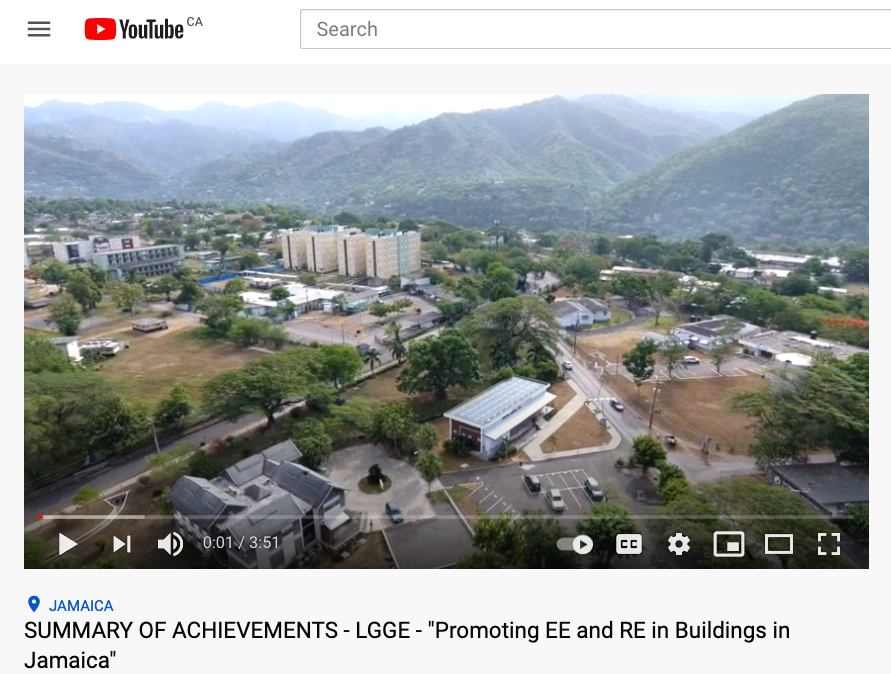
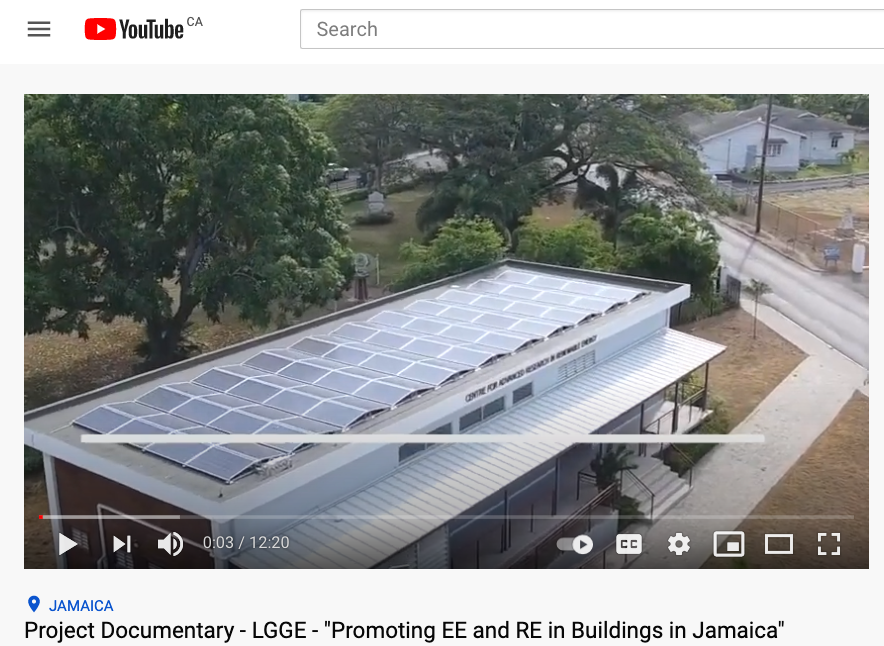

The Caribbean Centre for Renewable Energy and Energy Efficiency (CCREEE) and the CARICOM Regional Organisation for Standards and Quality (CROSQ) hosted a webinar titled, What's in it for me: A Discussion on the CARICOM Regional Energy Efficiency Building Code (CREEBC). This webinar especially targeted architects, the construction and building sector and, new and prospective homeowners.

