The 2022 Energy Report Card for St. Vincent and the Grenadines provides an overview of energy sector performance and includes energy efficiency, projects, technical assistance, workforce, training and capacity building information, subject to the availability of data. Click to view: 2022 Energy Report Card - St. Vincent and the Grenadines Key Words: ERC, Energy Report Card, 2022
Presentation done by Cherri-Ann Farquharson, Caribbean Centre for Renewable Energy and Energy Efficiency, at the Caribbean Sustainable Energy Forum (CSEF VIII), which took place in Kingston, Jamaica, from November 7-9, 2023. The theme for CSEF VIII was ‘Powering Transport’. Connect with key national, regional, and international energy stakeholders who share the goal of accelerating the CARICOM Member States’ sustainable energy transition. Keywords: CSEF 2023Click to download: Creating a Sustainable Energy Future for the next generation
Presentation done by Dr. Pyush Verma, UNDP, at the Caribbean Sustainable Energy Forum (CSEF VIII), which took place in Kingston, Jamaica, from November 7-9, 2023. The theme for CSEF VIII was ‘Powering Transport’. Connect with key national, regional, and international energy stakeholders who share the goal of accelerating the CARICOM Member States’ sustainable energy transition. Keywords: CSEF 2023Click to download: Session 2 – Powering Transport – A Governance Perspectiven – Dr. Pyush Verma UNDP
The 2021 Energy Report Card for Jamaica provides an overview of energy sector performance and includes energy efficiency, projects, technical assistance, workforce, training and capacity building information, subject to the availability of data. Key Words: ERC, Energy Report Card Click to download: ERC_Jamaica_final_004
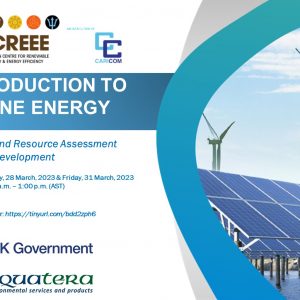
The Exclusive Economic Zones of most of the Caribbean countries are larger than their land masses, however, the energy potential of this vast resource is not being exploited. Building the capacity of stakeholders in the sector to conduct assessments, and design, implement, operate and maintain projects is a crucial steppingstone to realizing energy independence for the region. The aim of this is to build the capacity of government technocrats, utility engineers, regulators, academics, students, and project developers on design and implement marine energy projects in the Caribbean.Click to view
Transport for Inclusive Development: Defining a Path for Latin America and the Caribbean discusses the role that transport often plays in deepening social disadvantage and poverty, on the one hand, and its potential, on the other, to break the cycle of poverty and inequality through investments and policies that better consider the needs of poor and socially excluded groups. Keywords: Transport, Social Inclusion, Development, Latin America, Caribbean Click to download: Transport-for-Inclusive-Development-Defining-a-Path-for-Latin-America-and-the-Caribbean-1
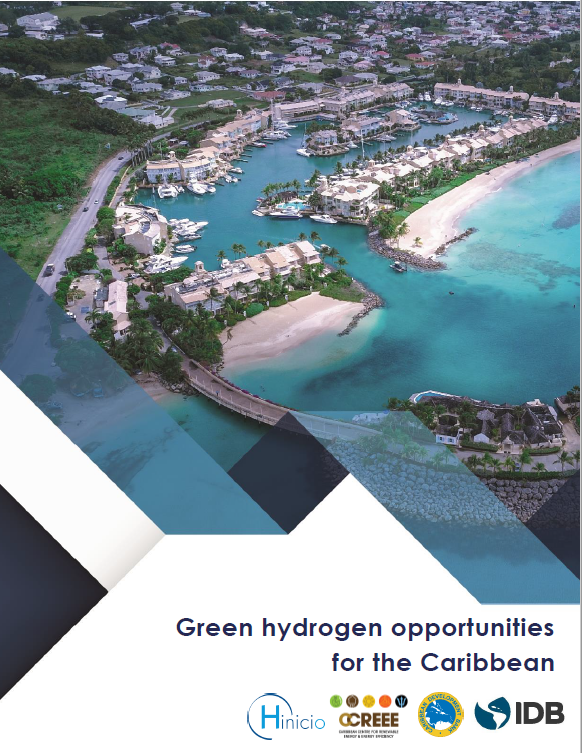
Keywords: Hydrogen, Renewable energy, energy storage, fuel cell, battery, CARICOM, GHG, greenhouse gas, hydrogen production from primary energy, hydrogen production from secondary energy, gasification
Climate change, combined with recent geopolitical developments, has sent shockwaves throughout the global economy, magnifying concerns around energy security, food security and weather-related disasters. Small island developing states (SIDS), which are amongst the lowest emitters worldwide, are most at risk from these potential threats. However, they are increasingly employing ambitious plans to deploy renewable energy in order to secure its multiple benefits. This technical paper presents a quantification of SIDS’ renewable energy targets, both in their national energy plans and in their NDCs, comparing commitments made within their national policies and plans with those that extend to the Paris Agreement...

This report highlights the ongoing and previous work of the Agency to support countries through its various work packages, including those concerned with project development, financing and investment. Keywords: Antigua and Barbuda, Bahamas, Belize, St. Kitts and Nevis, Caribbean, Barbados, Granada, Guyana, Dominica, St. Lucia, St. Vincent and the Grenadines

Keywords: COVID-19, Mining resources, Natural resources, Energy, Biodiversity, Agriculture and rural development, Governance of natural resources, Water resources

