
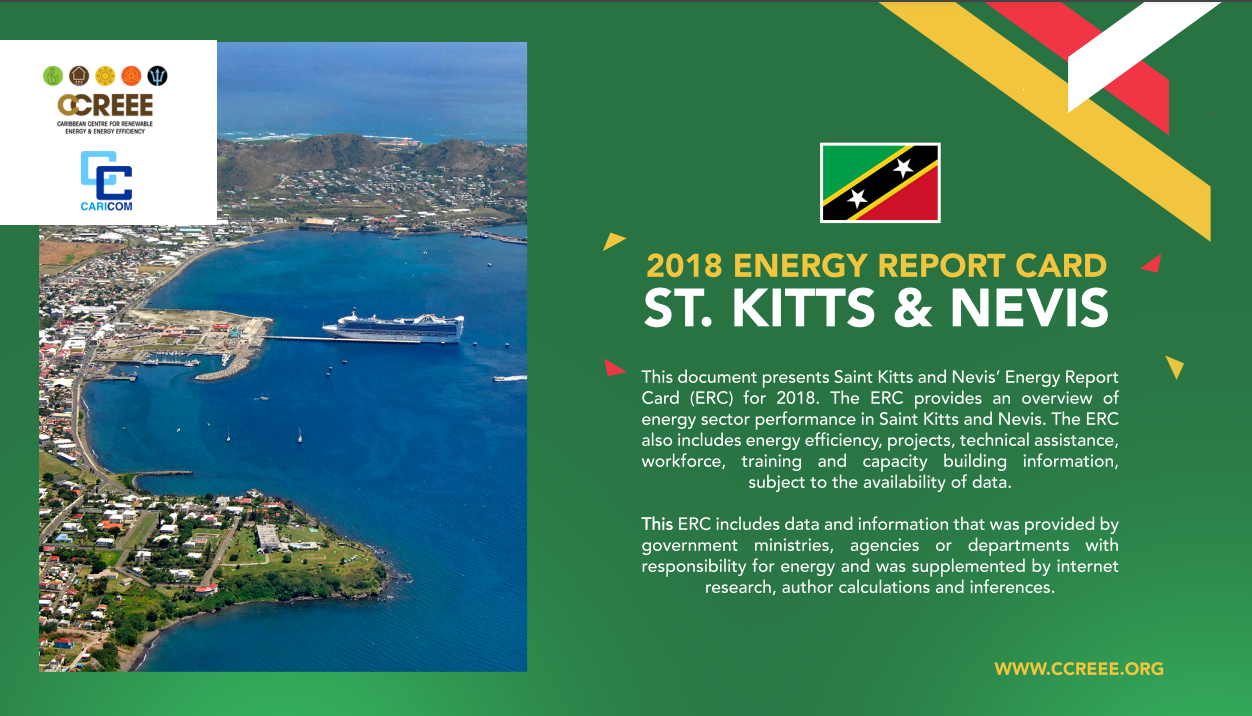
The 2018 Energy Report Card for St. Kitts and Nevis provides an overview of energy sector performance and includes energy efficiency, projects, technical assistance, workforce, training and capacity building information, subject to the availability of data. Key Words: ERC, Energy Report Card
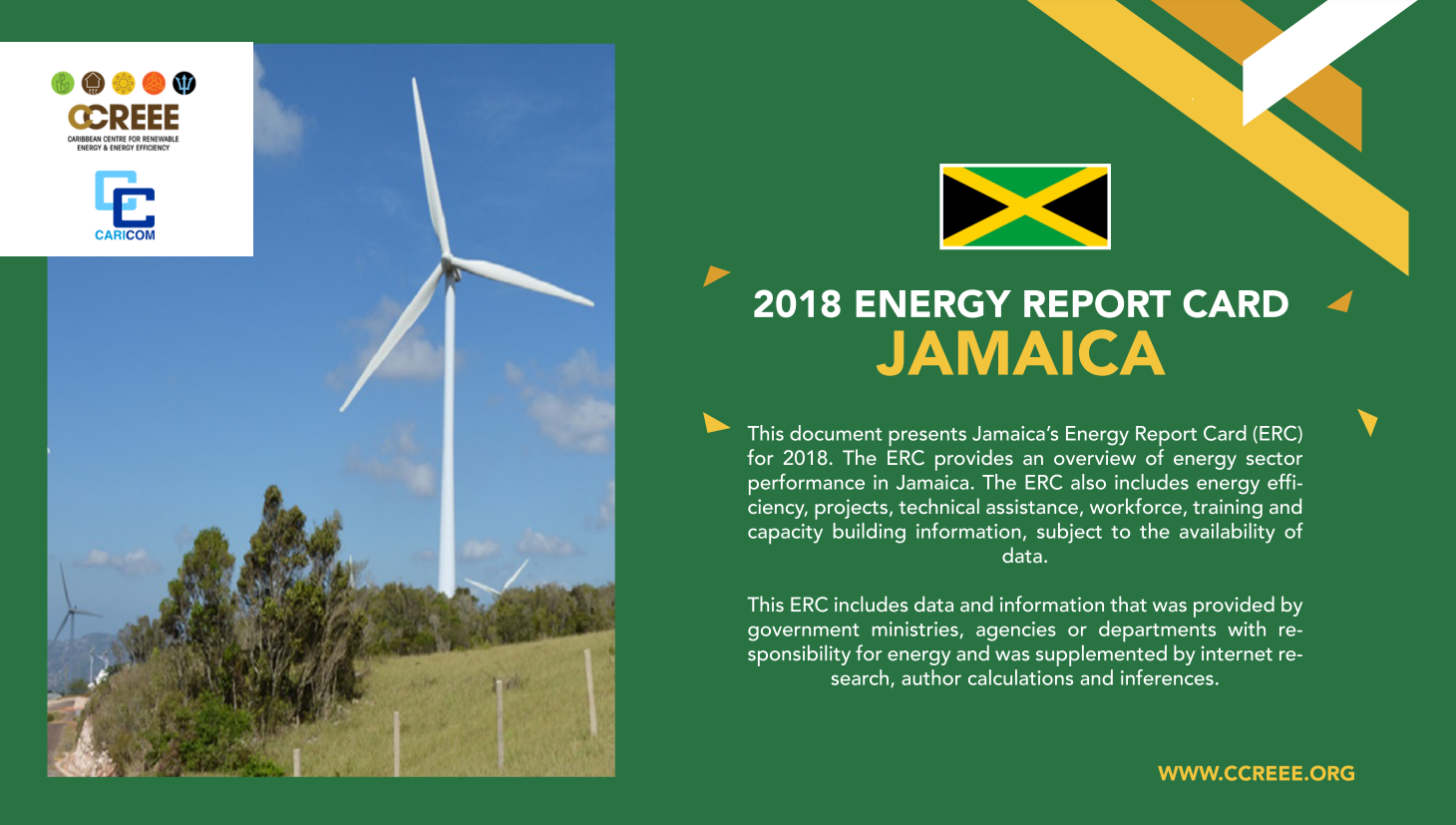
The 2018 Energy Report Card for Jamaica provides an overview of energy sector performance and includes energy efficiency, projects, technical assistance, workforce, training and capacity building information, subject to the availability of data. Key Words: ERC, Energy Report Card
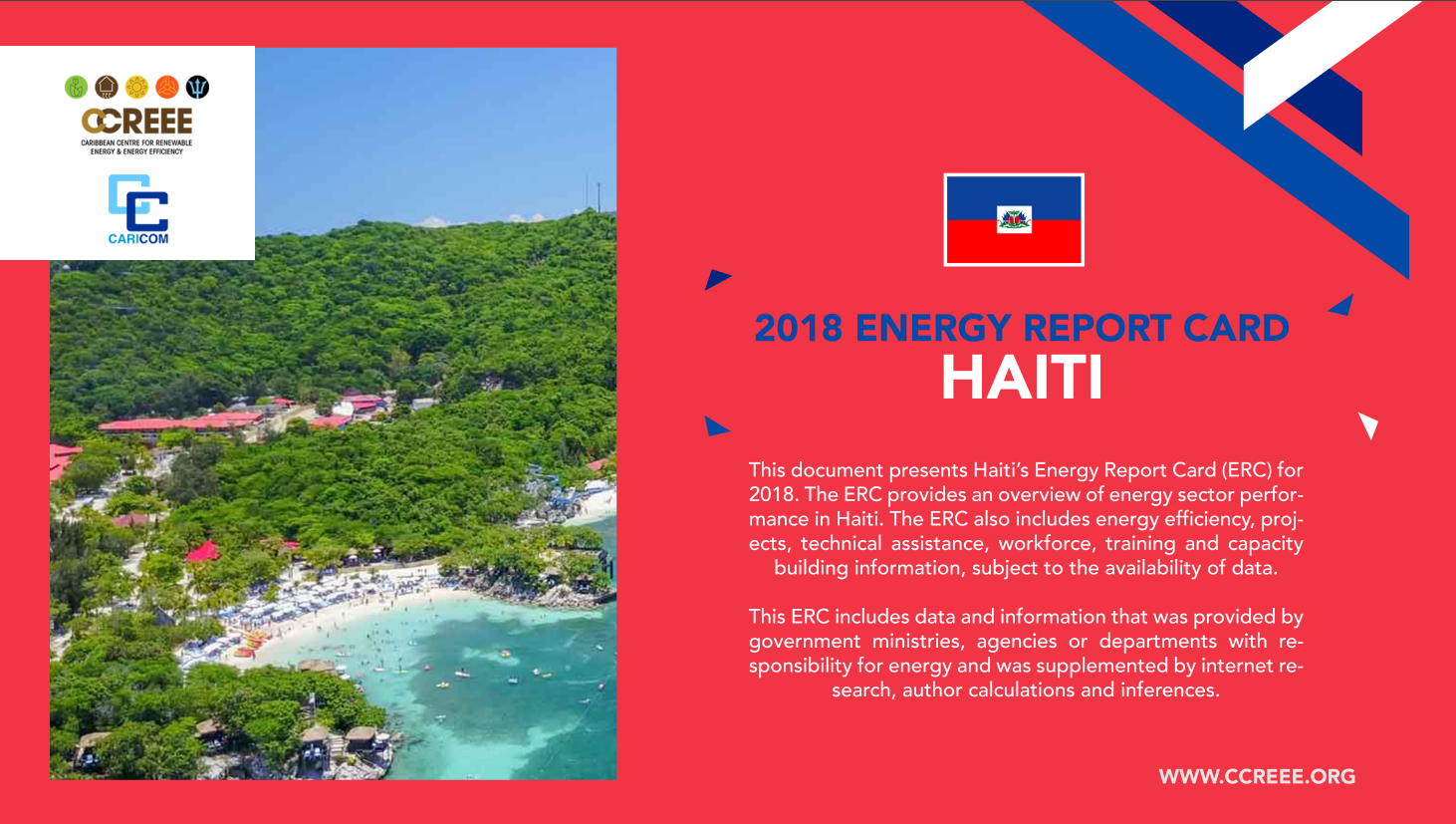
The 2018 Energy Report Card for Haiti provides an overview of energy sector performance and includes energy efficiency, projects, technical assistance, workforce, training and capacity building information, subject to the availability of data. Key Words: ERC, Energy Report Card
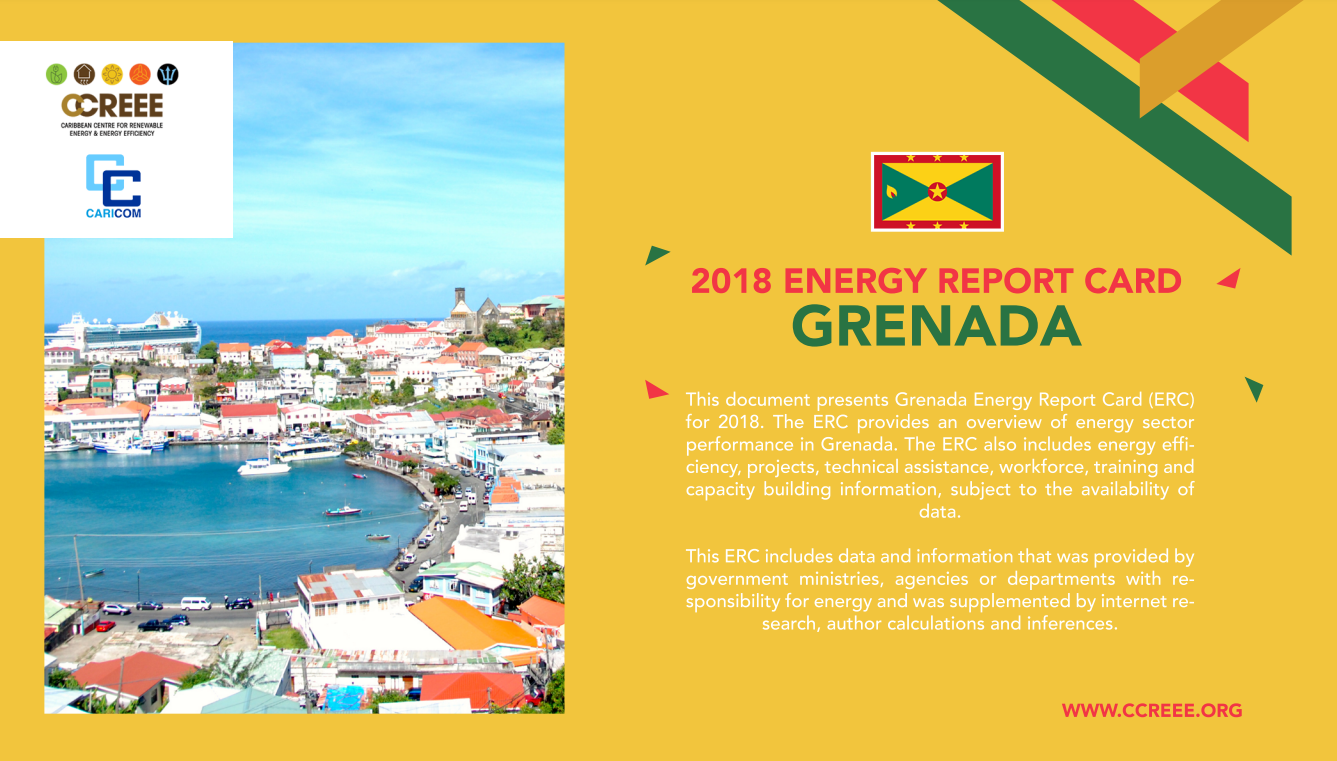
The 2018 Energy Report Card for Grenada provides an overview of energy sector performance and includes energy efficiency, projects, technical assistance, workforce, training and capacity building information, subject to the availability of data. Key Words: ERC, Energy Report Card
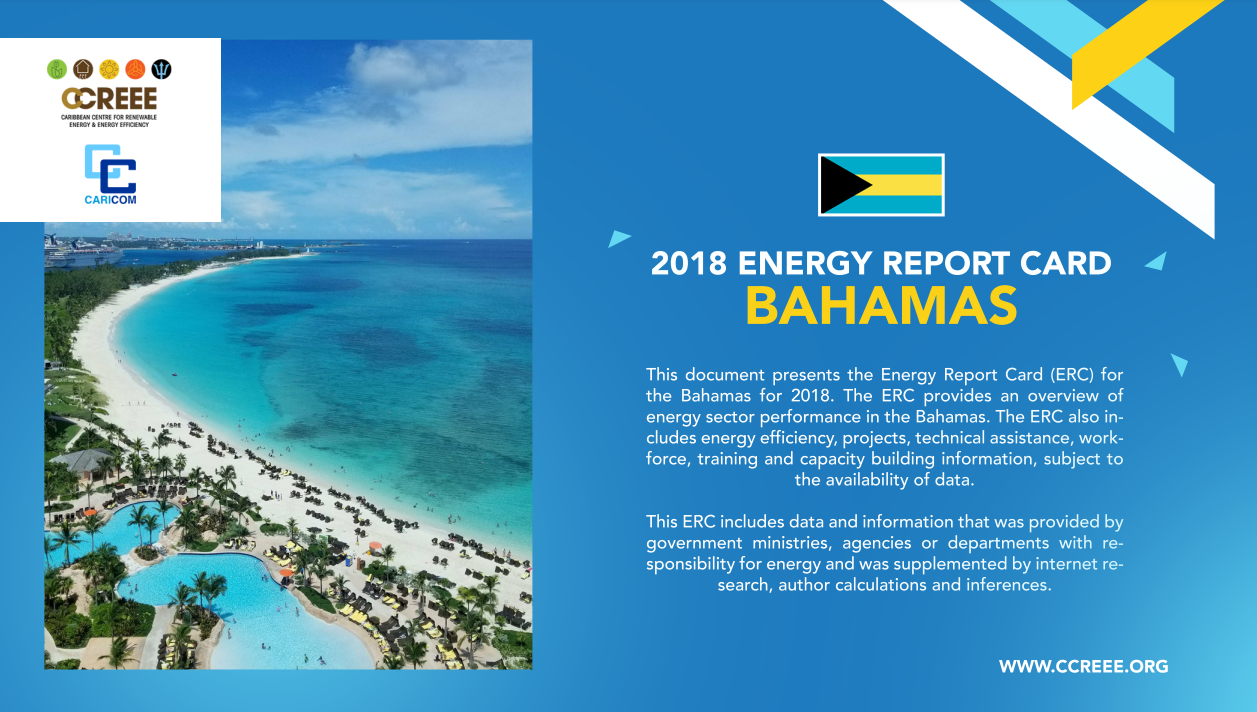
The 2018 Energy Report Card for The Bahamas provides an overview of energy sector performance and includes energy efficiency, projects, technical assistance, workforce, training and capacity building information, subject to the availability of data. Key Words: ERC, Energy Report Card
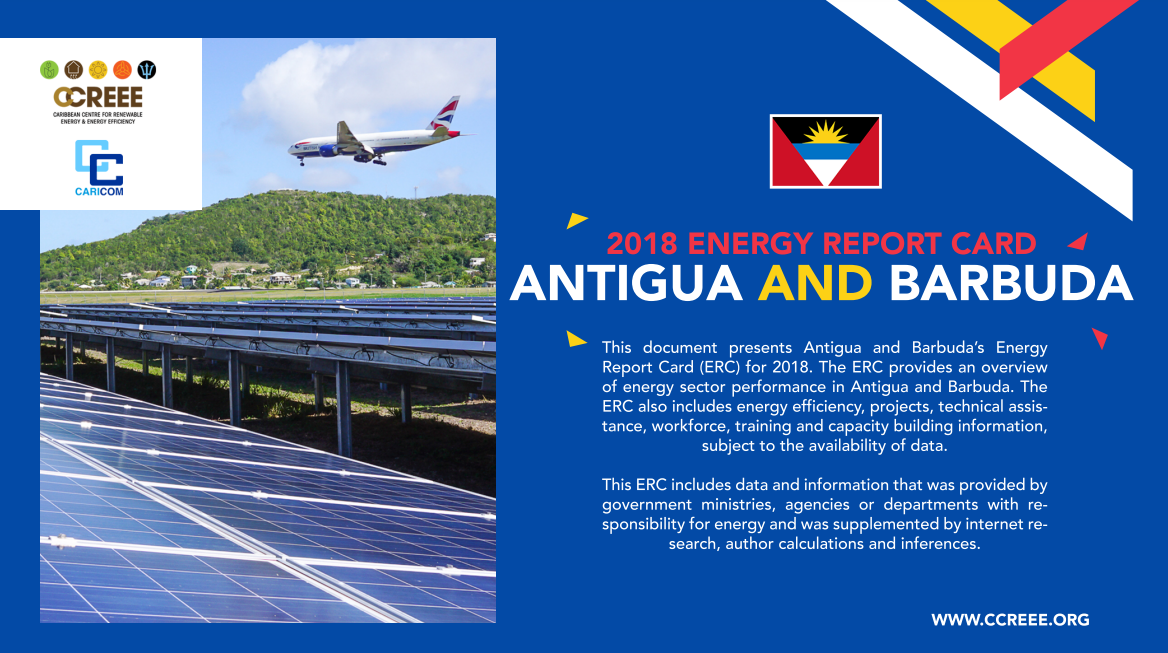
The 2018 Energy Report Card for Antigua and Barbuda provides an overview of energy sector performance and includes energy efficiency, projects, technical assistance, workforce, training and capacity building information, subject to the availability of data. Key Words: ERC, Energy Report Card
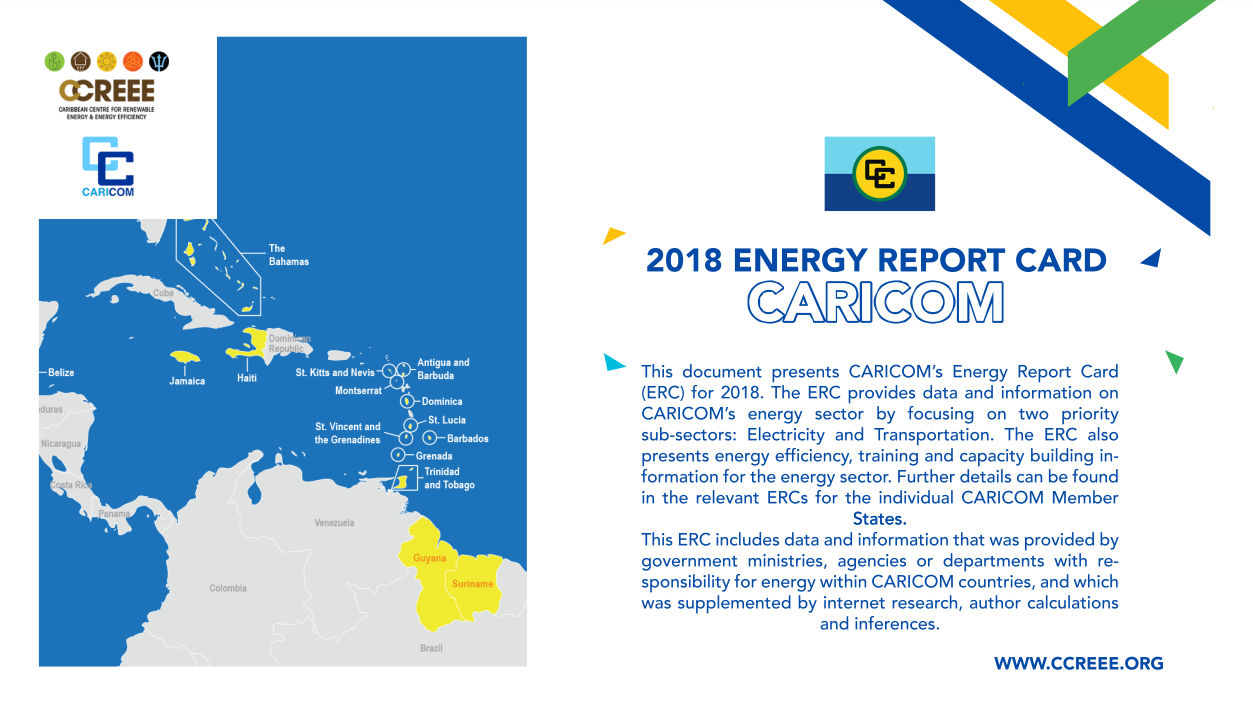
The 2018 Energy Report Card for CARICOM provides an overview of energy sector performance and includes energy efficiency, projects, technical assistance, workforce, training and capacity building information, subject to the availability of data. Key Words: ERC, Energy Report Card
The 2018 Energy Report Card for Suriname provides an overview of energy sector performance and includes energy efficiency, projects, technical assistance, workforce, training and capacity building information, subject to the availability of data. Key Words: ERC, Energy Report Card

This Terms of Reference (TOR) document was developed by the Energy Sector Energy Management Assistance Program (ESMAP), a global knowledge and technical assistance program administered by the World Bank (WB), under a multi-year program on Renewable Energy ResourceAssessment and Mapping that ran from October 2012 to June 2020. The TOR document is being made publicly available to facilitate future measurement campaigns that may be carried out by the World Bank Group, client governments, or other development partners.
.png)
This Terms of Reference (TOR) document was developed by the Energy Sector Energy Management Assistance Program (ESMAP), a global knowledge and technical assistance program administered by the World Bank (WB), under a multi-year program on Renewable Energy ResourceAssessment and Mapping that ran from October 2012 to June 2020. The TOR document is being made publicly available to facilitate future measurement campaigns that may be carried out by the World Bank Group, client governments, or other development partners.

